
How Do Car Brakes Work?
When you press the brake pedal, it pushes a piston inside the master cylinder. This creates hydraulic pressure in the brake fluid.
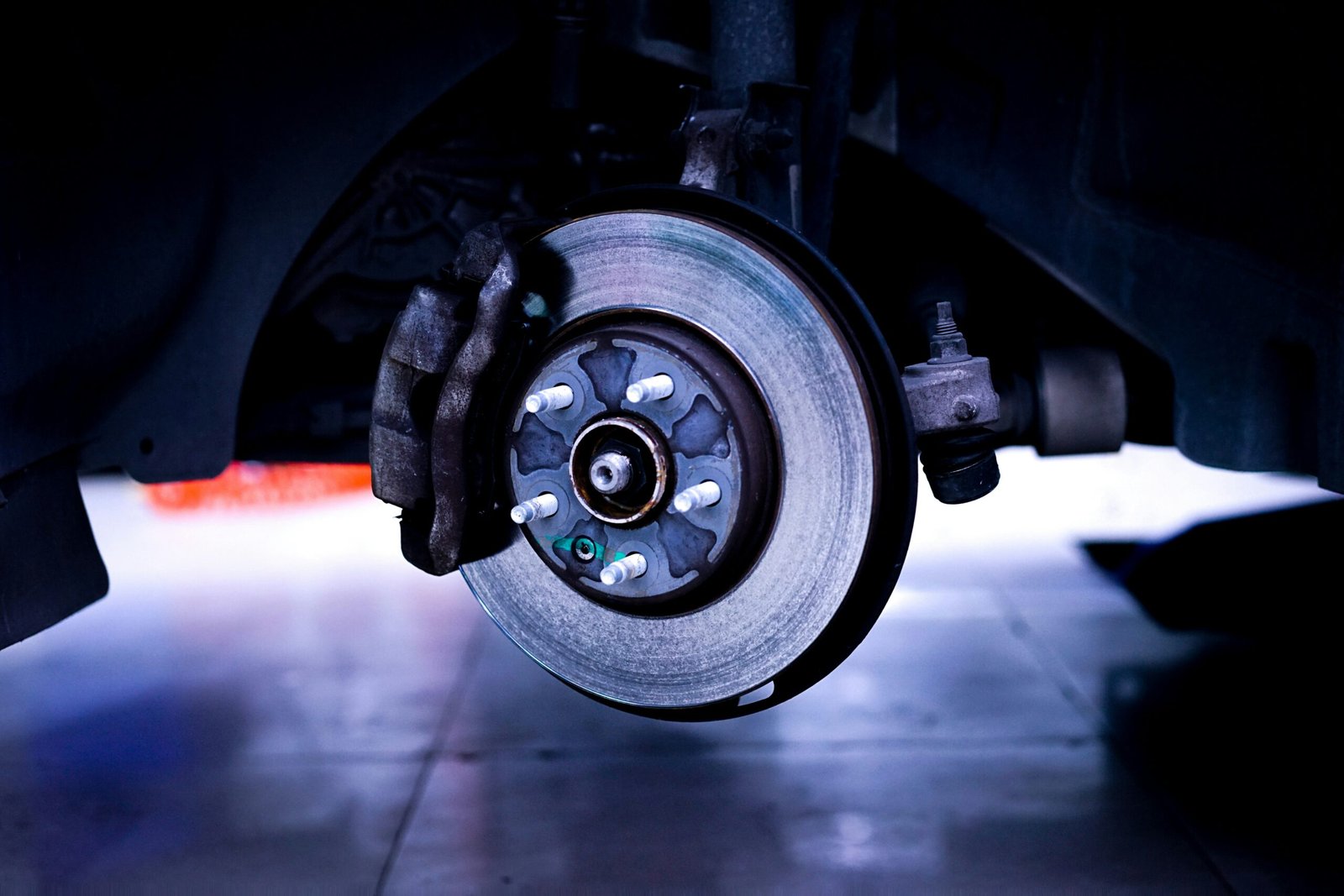
The pressurized fluid travels through the brake lines to the brake calipers. The calipers then push the brake pads against the spinning brake rotors.
The friction between the brake pads and rotors slows the wheels down, which makes the car slow down and eventually stop.
Main Parts of a Car Braking System
- Brake pedal: Starts the braking process.
- Master cylinder: Creates hydraulic pressure.
- Brake fluid: Transfers pressure through the system.
- Brake caliper: Pushes the brake pads.
- Brake pads: Create friction against the rotor.
- Brake rotor: The spinning disc that the pads grip.
How Does ABS Work?
ABS (Anti-lock Braking System) helps prevent the wheels from locking during hard braking. Sensors monitor wheel speed, and the system rapidly adjusts brake pressure when a wheel is about to lock.
In Simple Words
Press the brake → hydraulic pressure builds → calipers squeeze the pads → pads grip the rotors → friction slows the wheels → the car stops.
That is the basic idea behind how car brakes work.