Table of Contents
- Why Tire Pressure Drops in Cold Weather
- How Temperature Affects Tire Pressure
- What Happens When Tire Pressure Is Too Low?
- How to Check Tire Pressure in Winter
- How to Prevent Cold-Weather Tire Pressure Problems
- Frequently Asked Questions
Why Tire Pressure Drops in Cold Weather
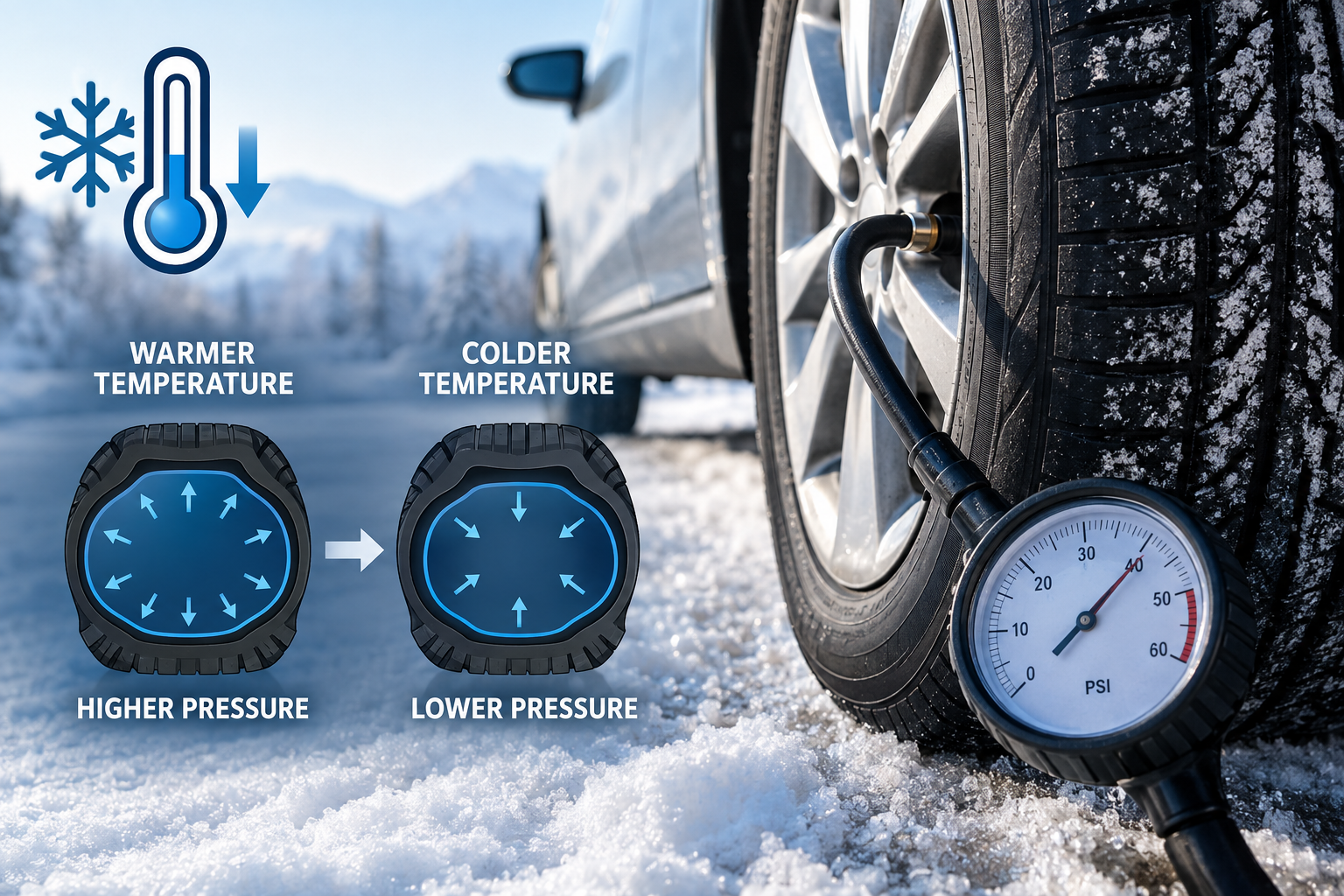
Tire pressure drops in cold weather because air contracts as its temperature decreases. Since tires contain air, colder temperatures reduce the pressure inside them, even when there is no leak.
As a general rule, tire pressure decreases by approximately 1 PSI (pound per square inch) for every 10°F (about 5.6°C) drop in temperature. The exact change depends on the tire’s initial pressure and temperature.
Practical tip: If your tires were properly inflated during warm weather, check them again when temperatures fall. A pressure warning light may appear simply because of the colder conditions.
How Temperature Affects Tire Pressure
Air pressure changes with temperature. When the air inside a tire cools, its pressure decreases. When it warms up, the pressure generally increases.
For example, if the temperature drops significantly overnight, your tires may show lower pressure in the morning than they did the previous afternoon. This is why checking tire pressure when the tires are cold gives you a more consistent and accurate reading.
Does Driving Increase Tire Pressure?
Yes. Driving generates heat through tire flexing and contact with the road. This heat can temporarily increase tire pressure, so a reading taken after a long drive may be higher than a cold-tire reading.
Practical tip: Check tire pressure before driving, or after the car has been parked for at least three hours. Use the recommended pressure listed on the driver’s door-jamb sticker or in your owner’s manual.
What Happens When Tire Pressure Is Too Low?
Driving with underinflated tires can affect your car’s handling, braking performance, fuel economy, and tire lifespan. Low pressure causes the tire to flex more than intended, increasing heat buildup and uneven wear.
In severe cases, driving on an underinflated tire can lead to tire damage or failure. It can also make the vehicle less stable, especially during emergency maneuvers or on wet roads.
Practical tip: Never ignore a tire pressure warning light. Check all four tires and inspect them for visible damage. If a tire repeatedly loses pressure, have it checked for a puncture, a leaking valve, or a damaged wheel.
How to Check Tire Pressure in Winter
Checking tire pressure regularly is one of the easiest ways to maintain your vehicle during cold weather.
- Find the recommended tire pressure on the driver’s door-jamb sticker or in the owner’s manual.
- Use a reliable tire pressure gauge when the tires are cold.
- Remove the valve cap and press the gauge firmly onto the valve stem.
- Compare the reading with the manufacturer’s recommended pressure.
- Add air if necessary, then recheck the pressure and replace the valve cap.
Remember that the recommended pressure is usually different from the maximum pressure printed on the tire sidewall. Always follow the vehicle manufacturer’s recommendation unless the manufacturer specifies otherwise.
Practical tip: Check your tire pressure at least once a month and before long trips. During sudden temperature changes, checking more frequently can help you catch pressure loss early.
How to Prevent Cold-Weather Tire Pressure Problems
You cannot prevent temperature-related pressure changes completely, but you can reduce the risks by maintaining your tires properly.
- Check pressure regularly: Cold weather can lower pressure quickly when temperatures change.
- Keep a tire pressure gauge in your car: It makes routine checks easier.
- Inspect for leaks: Persistent pressure loss may indicate a puncture or faulty valve.
- Maintain the correct pressure: Do not overinflate tires to compensate for expected temperature drops.
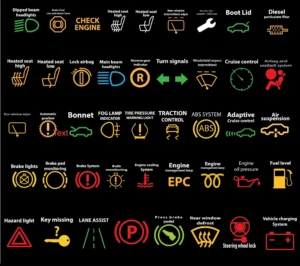
- Monitor the TPMS warning light: Your tire pressure monitoring system can alert you when pressure falls too low.
Practical tip: Before a winter road trip, check all four tires, including the spare if your vehicle has one. Correct tire pressure helps your car perform as intended in cold conditions.
Frequently Asked Questions
How much does tire pressure drop in cold weather?
A common estimate is about 1 PSI for every 10°F (5.6°C) decrease in temperature. Actual changes vary depending on the tire and conditions.
Should I inflate my tires more in winter?
You should inflate them to the vehicle manufacturer’s recommended cold pressure, not an extra amount simply because it is winter. If pressure drops below the recommended level, add air as needed.
Can cold weather trigger the tire pressure warning light?
Yes. Colder temperatures can lower tire pressure enough to trigger the tire pressure monitoring system (TPMS), even if the tires do not have a leak.
Why does one tire keep losing pressure?
If one tire repeatedly loses pressure while the others remain stable, it may have a puncture, a leaking valve, a damaged wheel, or a sealing problem. Have it inspected by a tire professional.
Is it safe to drive with low tire pressure?
Driving with low tire pressure can be dangerous. Check and correct the pressure before driving whenever possible. If a tire looks severely deflated or the vehicle handles unusually, stop in a safe place and arrange assistance.
Final Thoughts
Cold weather naturally reduces tire pressure, but regular checks can help you avoid unnecessary tire wear, poor fuel economy, and safety problems. Make checking your tires part of your winter driving routine, and always follow the pressure recommendations provided by your vehicle manufacturer.
Need help maintaining your tires or preparing your vehicle for colder weather? Visit [your service/product/page] to explore our services, products, or car maintenance guides.
“`