Table of Contents
- What Is a Clutch?
- How Does a Clutch Work?
- Main Parts of a Clutch
- What Happens When You Press the Clutch?
- What Happens When You Release the Clutch?
- Signs of a Bad Clutch
- How to Make Your Clutch Last Longer
- Frequently Asked Questions
What Is a Clutch?
A clutch is a mechanical device that connects the engine to the transmission. Its main job is to transfer engine power to the wheels while allowing the driver to temporarily disconnect the engine from the transmission.
Without a clutch, changing gears in a traditional manual transmission would be extremely difficult and could cause serious mechanical damage.
Practical Tip
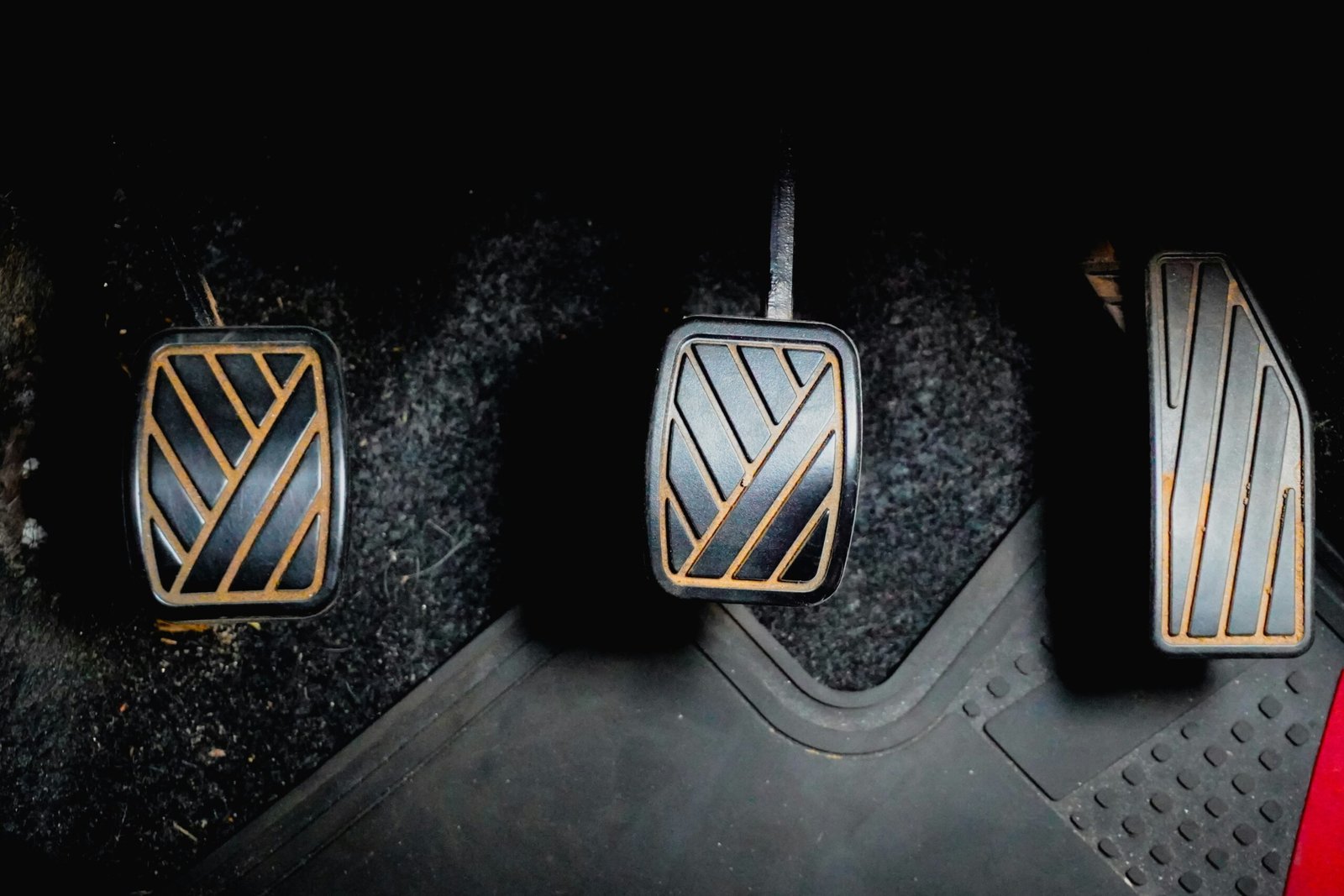
When driving a manual car, avoid resting your foot on the clutch pedal. Even light pressure can cause unnecessary clutch wear.
How Does a Clutch Work?
The clutch works through friction. The engine spins a component called the flywheel. The clutch disc is pressed against the flywheel by the pressure plate. When they are firmly connected, engine power flows through the clutch and into the transmission.
When you press the clutch pedal, the pressure plate releases the clutch disc from the flywheel. This temporarily interrupts the flow of power, allowing you to change gears smoothly.
Simple Example
Think of the clutch like two rotating surfaces that can be pressed together or separated. Press them together and power is transferred. Separate them and the power flow is interrupted.
Main Parts of a Clutch
A typical manual transmission clutch contains several important components:
1. Flywheel
The flywheel is attached to the engine’s crankshaft. It provides a smooth rotating surface for the clutch disc.
2. Clutch Disc
The clutch disc sits between the flywheel and pressure plate. Its friction material allows it to transfer engine power to the transmission.
3. Pressure Plate
The pressure plate pushes the clutch disc against the flywheel. When the clutch pedal is pressed, it moves away from the disc and disconnects the engine from the transmission.
4. Release Bearing
The release bearing helps operate the pressure plate when the driver presses the clutch pedal.
Practical Tip
If you hear unusual grinding or squealing when pressing the clutch pedal, have the clutch system inspected. The release bearing or another clutch component could be worn.
What Happens When You Press the Clutch?
When you press the clutch pedal, the clutch mechanism pushes the release bearing against the pressure plate. The pressure plate then moves away from the clutch disc.
This separates the clutch disc from the flywheel and stops engine power from reaching the transmission. You can now select another gear without forcing the transmission components to change speed under full engine load.
Practical Example
When moving from first gear to second gear, you press the clutch, release the accelerator, select second gear, and gradually release the clutch while applying the accelerator again.
What Happens When You Release the Clutch?
As you release the clutch pedal, the pressure plate pushes the clutch disc back against the spinning flywheel. At first, the disc slips slightly while the engine and transmission speeds become synchronized.
Once the clutch is fully engaged, the disc and flywheel rotate together and engine power flows normally through the transmission.
Practical Tip
Release the clutch smoothly instead of suddenly letting it go. This reduces unnecessary shock and helps prevent premature clutch wear.
Signs of a Bad Clutch
Like any mechanical component, a clutch wears out over time. Common warning signs include:
- Engine RPM increases without a similar increase in speed.
- Difficulty changing gears.
- Burning smell after driving.
- Clutch pedal feels unusual or becomes difficult to operate.
- Shuddering or vibration when taking off.
- Unusual noises when pressing the clutch pedal.
Practical Tip
If your engine revs rise but the car does not accelerate normally, the clutch may be slipping. Have the vehicle checked before the problem becomes more expensive.
How to Make Your Clutch Last Longer
Your driving habits have a major effect on clutch life. Avoid keeping the clutch partially engaged for long periods, especially in traffic or when starting on a hill.
When stopped for a longer period, put the transmission in neutral and release the clutch pedal instead of holding it down continuously.
Actionable Tip
Use the clutch mainly when starting, stopping, and changing gears. Avoid using it as a footrest or relying on clutch slipping to keep the vehicle stationary on hills.
Frequently Asked Questions About the Clutch
How long does a clutch last?
Clutch lifespan varies significantly depending on the vehicle, driving conditions, traffic, and driving habits. A clutch can last many years, but aggressive driving or frequent slipping can shorten its life.
Can you drive with a slipping clutch?
You may be able to drive for a short period, but continued driving with a slipping clutch can cause additional damage and leave the vehicle unable to transfer power properly.
Why does a clutch smell like it’s burning?
A burning smell can occur when the clutch disc slips excessively and generates heat. If it happens repeatedly, the clutch should be inspected.
Does an automatic car have a clutch?
Many automatic transmissions use internal clutch packs or similar friction elements, although their design and operation are different from the single clutch used in a traditional manual transmission.
Want to learn more about how cars work? Check out our automotive guides for more simple explanations of the systems and components inside your car.