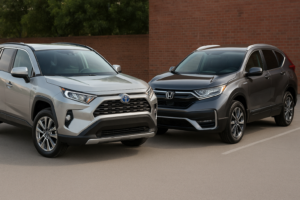
"Car colors are more than just shades on metal—they reflect personality, psychology,and even influence car value."
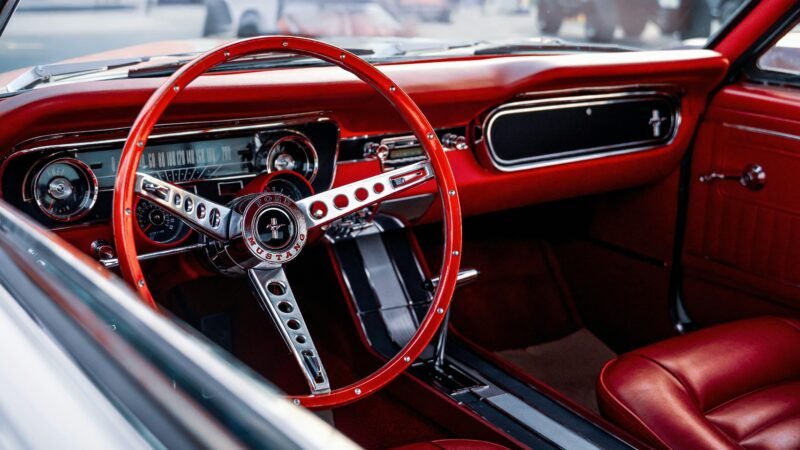
An Introduction
Car colors hold more influence than most drivers realize. From the practicality to cars and how shades reflect personality traits, to the way certain tones simply make a vehicle look good on your car. color selection is both emotional and practical. While some buyers search for bold shades that express identity, others follow car colors meaning, resale value, and what experts consider car colors to avoid. Even interior colors play a major role, especially when paired with an achromatic colors like black, white, or gray, which continues to dominate modern design.
Car Colors meaning
Certain colors work better on specific sizes and shapes of vehicles, which explains why red is the number-one color for sports cars, while an achromatic color scheme palette—white, black, silver, and gray—remains popular for sedans and SUVs because of its simple, modern feel. Interior colors follow similar design logic, balancing personality, practicality, and long-term appeal.
Car Color Trends in 2026
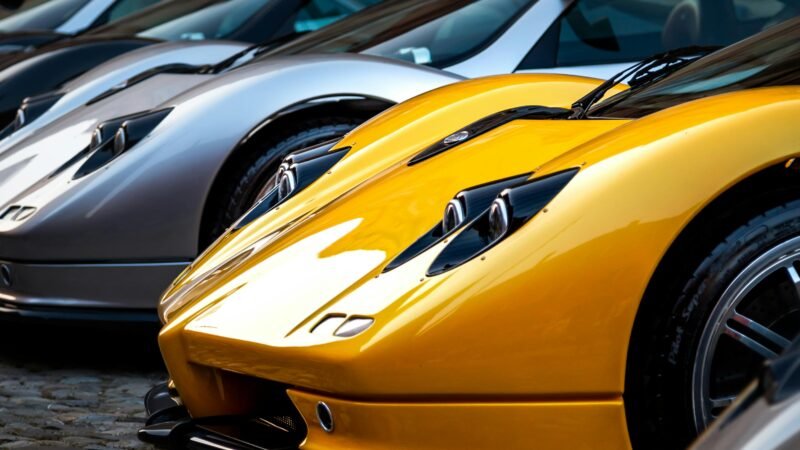
Car color trends are shifting toward a balance between modern style and everyday practicality. Neutral colors such as white, black, gray, and silver remain the most popular choices because of their strong resale value and low maintenance. These classic shades are now appearing in more refined finishes, including matte, satin, and metallic textures.
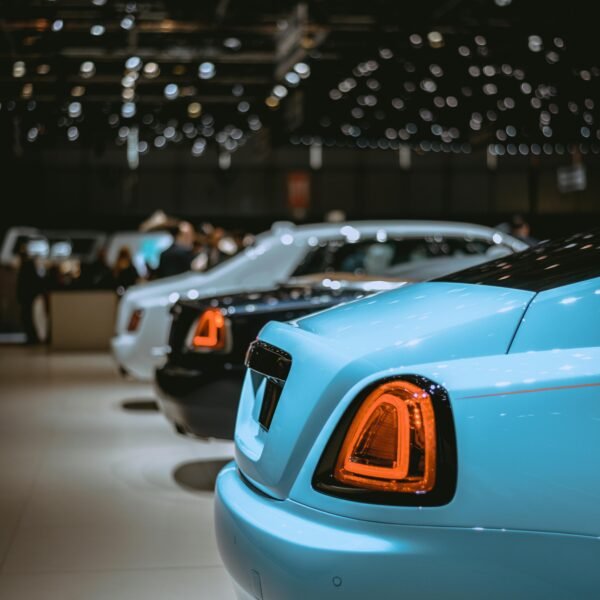
Earth-inspired colors like beige, sand, bronze, and soft brown are gaining attention as drivers show greater interest in natural and sustainable aesthetics. Deep blues and modern greens, such as navy, teal, olive, and emerald, are becoming popular alternatives to traditional neutrals.
For sports and electric vehicles, bold accent colors like electric blue, copper, and vibrant red are used to highlight innovation and performance rather than mass appeal.
The Psychology of Car Colors and What they Symbolize
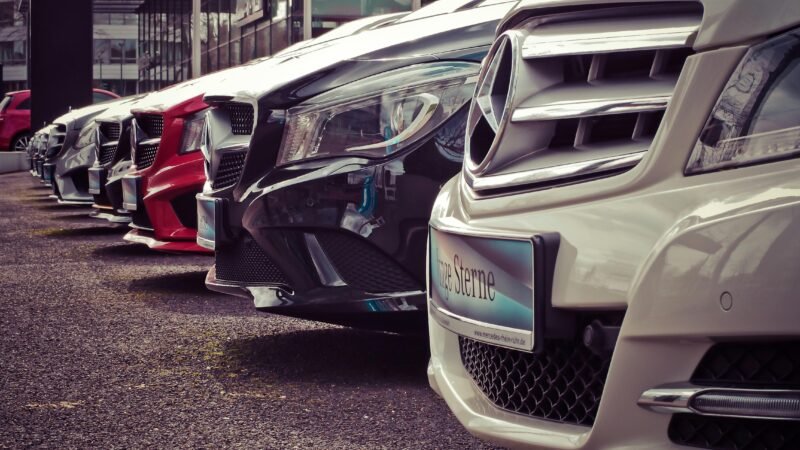
For simplicity, a white vehicle represents clarity and a preference for a clean, uncomplicated look, while black exudes quiet confidence and timeless style. Gray suggests practicality and measured decisions, and silver gives a nod to modern taste with effortless upkeep.
Red symbolizes bold energy and a clear presence on the road, whereas blue signifies reliability and steady composure. Yellow hints at individuality and playful optimism, and green represents a grounded personality that sits comfortably outside fast-changing trends.
Deeper tones like navy and burgundy signify maturity, refinement, and a sense of controlled elegance. In each case, the shade chosen not only complements the vehicle but also subtly reflects how the driver wishes to be seen.
The Least Popular Car Colors to Avoid through research
Bright yellows, vivid oranges, and unusual greens car colours can look striking at first, yet they don’t always age well in the market. Because these shades appeal to fewer buyers, they may limit resale interest later on. Deep dark tones such as black or very dark blue tend to show scratches, dust, and water marks more easily, which means more frequent cleaning and polishing to maintain their finish.
Pure white can look sharp and modern, but it often reveals road grime and stains more quickly than softer off-whites or light silvers.
yellow accounts for roughly 0.2% of cars, orange about 0.5%, and brown around 0.4%, with other rare colors even less frequent. These shades are less popular largely because they appeal to a smaller group of buyers, may have lower resale value, and often require more maintenance to keep looking fresh.
Most Popular Car Color for Sport Cars through Research
According to recent automotive‑color studies, red color is the most popular sport car color due to its effect to attract attention. According to a 2024 study by iSeeCars, in the “sports cars” segment, red accounts for about 14.3% of cars, a higher share than for many other “colorful” options
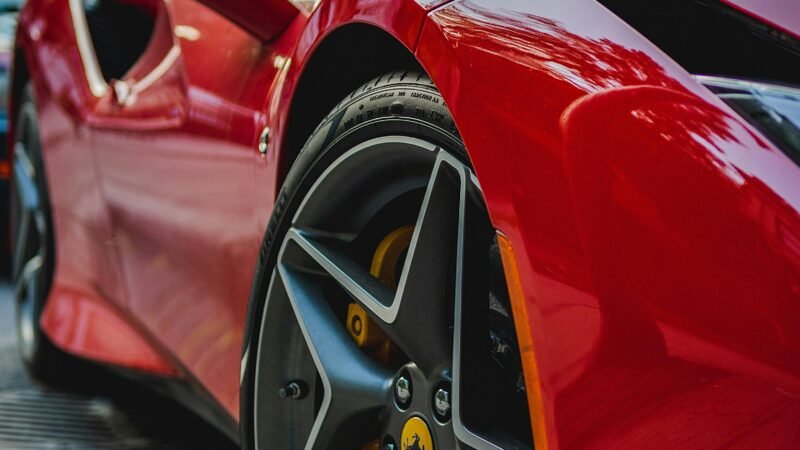
“if you ask any child to draw a car, they will draw a red one”
A Conclusion
In conclusion, preferences for car colors often reveal more than just style—they can reflect subtle personality traits. The choice of favorite car colors shows how drivers express themselves. Paint car colors help define not only the look of a vehicle but also the impression it makes on the road. So now, what do you think your favorite car color is?