Motorcycle Guide: Everything You Need to Know About Motorcycles
Motorcycles have been one of the most exciting and practical forms of transportation for more than a century.
They offer a unique combination of freedom, speed, efficiency, and adventure that very few vehicles can match.
Whether someone rides for daily commuting, weekend trips, or long-distance touring, motorcycles deliver a riding
experience that feels more connected to the road and environment.
In recent years, the popularity of motorcycles has grown significantly due to rising fuel prices, urban traffic
congestion, and the increasing demand for affordable transportation. Many people choose motorcycles because they
are easier to park, cheaper to maintain, and more fuel-efficient compared to most cars.
This complete motorcycle guide explains everything riders and enthusiasts should know. We will explore the main
types of motorcycles, essential motorcycle maintenance tips, safety gear every rider should wear, and how to
choose the best motorcycle for beginners. By understanding these topics, riders can enjoy a safer and more
satisfying riding experience.
What Is a Motorcycle?
A motorcycle is a two-wheeled motor vehicle powered by an engine. It is designed for speed, agility, and
efficient transportation. Unlike cars, motorcycles rely heavily on balance and rider control, which makes
the riding experience more interactive.
Motorcycles typically include an engine, transmission system, frame, wheels, suspension, braking system,
fuel tank, and handlebars. The rider sits on a seat positioned above the engine while controlling the bike
using the throttle, clutch, brakes, and gear shifter.
Modern motorcycles come with advanced technology such as anti-lock braking systems (ABS), traction control,
ride modes, digital dashboards, and smartphone connectivity. These innovations improve both safety and
riding comfort.
Types of Motorcycles
Motorcycles come in several categories, each designed for a specific riding style and purpose. Understanding
the different types of motorcycles can help riders choose the right bike for their needs.
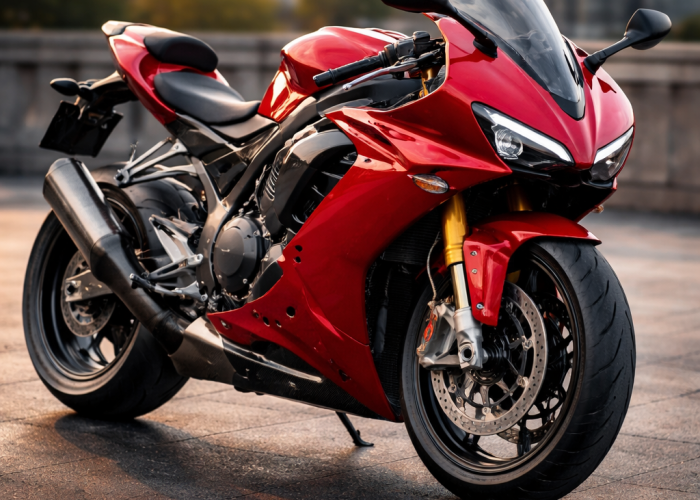
Sport Motorcycles
Sport motorcycles are designed for high performance, speed, and sharp handling. These bikes usually have
powerful engines, aerodynamic bodywork, and aggressive riding positions. Riders lean forward while riding,
which improves control at high speeds.
Sport bikes are commonly used for racing, track riding, and performance enthusiasts who enjoy acceleration
and cornering. However, their aggressive design may not be the most comfortable for long-distance riding.
Cruiser Motorcycles
Cruiser motorcycles are known for their relaxed riding position and stylish appearance. These bikes typically
have low seats, wide handlebars, and larger engines that deliver strong low-speed torque.
Cruisers are ideal for comfortable city rides and highway cruising. Many riders appreciate their classic design
and smooth ride quality. These motorcycles are popular among riders who enjoy laid-back riding experiences.
Touring Motorcycles
Touring motorcycles are built for long-distance travel. They are equipped with comfortable seating, large fuel
tanks, wind protection, storage compartments, and advanced electronics.
These motorcycles often include navigation systems, cruise control, heated seats, and powerful engines that
allow riders to travel hundreds of kilometers comfortably. Touring bikes are perfect for riders who enjoy road
trips and cross-country adventures.
Adventure Motorcycles
Adventure motorcycles, often called ADV bikes, are designed for both on-road and off-road riding. They feature
tall suspension, durable frames, and versatile tires that can handle multiple terrain types.
These motorcycles are popular among riders who enjoy exploring mountains, deserts, and remote areas while still
being able to ride comfortably on highways.
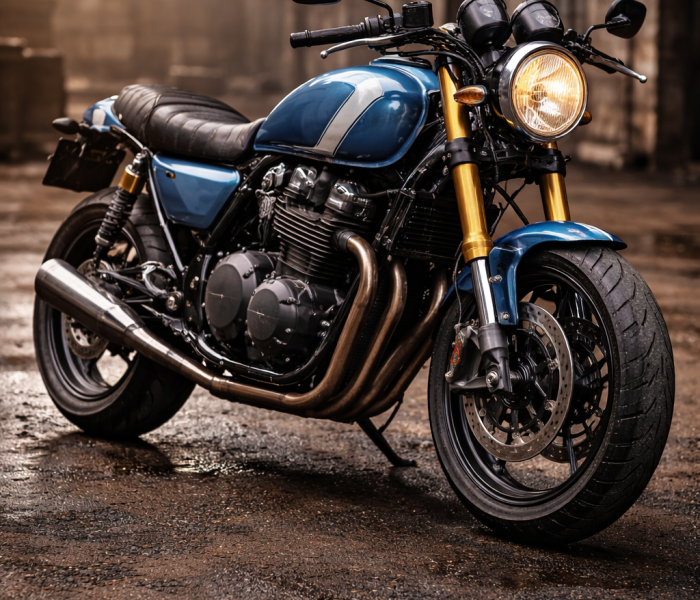
Standard Motorcycles
Standard motorcycles, sometimes called naked bikes, offer a balanced riding position and simple design. They
are easy to control, comfortable for everyday riding, and often recommended for beginner riders.
Because they do not have excessive fairings or aggressive ergonomics, standard motorcycles provide a natural
riding posture that many riders find comfortable for both short and medium-distance trips.
How Motorcycle Engines Work
Motorcycle engines operate similarly to car engines but are typically smaller and lighter. Most motorcycles use
either single-cylinder, twin-cylinder, or four-cylinder engines.
The engine generates power by burning a mixture of air and fuel inside the combustion chamber. This combustion
pushes pistons that rotate the crankshaft, producing mechanical energy that turns the wheels.
The power generated by the engine passes through the transmission system, which allows the rider to select
different gears depending on speed and riding conditions. Higher gears provide better fuel efficiency during
highway riding, while lower gears deliver stronger acceleration.
Motorcycle Safety Gear Every Rider Should Use
Safety is extremely important when riding a motorcycle. Unlike cars, motorcycles do not have protective
structures such as airbags or seat belts. This means riders must rely on protective gear to reduce the risk
of injury.
Motorcycle Helmet
A motorcycle helmet is the most important piece of safety equipment. It protects the rider’s head during
accidents and significantly reduces the risk of serious injuries. Riders should always choose helmets that
meet international safety standards.
Motorcycle Jacket
A motorcycle jacket provides protection against wind, weather, and road injuries. Many jackets are made with
abrasion-resistant materials and include protective padding for shoulders, elbows, and back.
Motorcycle Gloves
Motorcycle gloves improve grip on the handlebars while protecting the rider’s hands from impacts and road
abrasions. They also help reduce vibration during long rides.
Motorcycle Boots
Motorcycle boots protect the feet and ankles. They are designed with reinforced soles and strong materials
that provide better support and impact protection compared to regular shoes.
Motorcycle Maintenance Tips
Regular motorcycle maintenance ensures safety, reliability, and longer engine life. Riders who maintain their
motorcycles properly often experience fewer mechanical problems and better overall performance.
Check the Motorcycle Tires
Motorcycle tires should always have proper air pressure and good tread depth. Tires with low pressure or worn
tread can reduce traction and increase the risk of accidents.
Change Motorcycle Engine Oil
Engine oil lubricates internal components and prevents excessive wear. Regular oil changes keep the engine
running smoothly and help maintain optimal performance.
Inspect the Motorcycle Brakes
Brakes are essential for safe riding. Riders should regularly inspect brake pads, brake fluid, and brake
lines to ensure proper stopping power.
Maintain the Motorcycle Chain
Many motorcycles use a chain drive system. The chain must be properly lubricated and adjusted to prevent
excessive wear or slipping while riding.
How to Choose the Best Motorcycle for Beginners
Choosing the right motorcycle is important for new riders. Beginners should look for motorcycles that are
easy to control, lightweight, and not excessively powerful.
Small to medium engine motorcycles are usually recommended for beginners because they offer manageable power
and better control. A comfortable seating position and low seat height can also make learning to ride easier.
It is also important for new riders to consider fuel efficiency, maintenance costs, and insurance before
purchasing their first motorcycle.
Fuel Efficiency and Environmental Benefits of Motorcycles
One of the biggest advantages of motorcycles is their fuel efficiency. Most motorcycles consume significantly
less fuel compared to cars because they are lighter and have smaller engines.
This fuel efficiency helps reduce transportation costs and lower carbon emissions. As cities become more
crowded and environmentally conscious, motorcycles can play an important role in sustainable urban mobility.
In addition, electric motorcycles are becoming increasingly popular. These bikes run on rechargeable batteries
instead of gasoline, producing zero direct emissions while offering smooth and quiet performance.
Motorcycle Riding Tips for Beginners
Learning to ride a motorcycle requires practice, patience, and proper training. Beginners should always start
in safe environments and gradually build their skills.
Start With Proper Training
Taking a motorcycle training course helps riders learn essential skills such as braking, cornering, and
emergency maneuvers. Professional instructors provide valuable guidance for new riders.
Practice Smooth Throttle Control
Sudden acceleration can make motorcycles unstable. Riders should apply throttle smoothly to maintain
balance and control.
Maintain Safe Riding Distance
Keeping a safe distance from other vehicles gives riders more time to react to sudden changes in traffic.
Always Stay Visible
Motorcycles are smaller than cars, so riders should wear visible gear and position themselves where other
drivers can easily see them.
The Future of Motorcycles
The motorcycle industry continues to evolve with new technology and innovation. Electric motorcycles,
smart safety systems, and advanced connectivity features are shaping the future of motorcycling.
Manufacturers are investing heavily in electric powertrains that deliver instant torque and quieter
operation. These electric motorcycles may become a major part of the transportation landscape in the
coming decades.
In addition, advanced rider assistance systems such as adaptive cruise control, collision detection,
and traction management are improving safety for riders worldwide.
Conclusion
Motorcycles offer a unique combination of excitement, efficiency, and practicality. From daily commuting
to long-distance touring adventures, motorcycles provide an unmatched sense of freedom on the road.
Understanding the different types of motorcycles, learning how motorcycle engines work, wearing proper
motorcycle safety gear, and following regular motorcycle maintenance practices can significantly improve
the riding experience.
Whether someone is a beginner rider or an experienced enthusiast, motorcycles continue to represent one
of the most thrilling and efficient ways to travel. With new technology and electric innovation on the
horizon, the future of motorcycles looks more exciting than ever.