Electric vehicles (EVs) are often celebrated as the cornerstone of a cleaner, greener future. With zero tailpipe emissions, they promise to reduce urban air pollution, cut greenhouse gases, and help fight climate change. But beneath the glossy marketing campaigns and government incentives lies a critical question: do EVs truly solve the emissions problem, or do they simply shift it elsewhere in the supply chain?
In this article, we’ll explore the lifecycle of EVs, from battery production to electricity generation, and weigh the environmental benefits against the hidden costs. We’ll also compare EVs to traditional internal combustion engine (ICE) vehicles, examine policy implications, and consider whether EVs are a genuine solution or just a temporary fix.
Why Electric Vehicles Are Considered “Clean Cars”
The most obvious advantage of EVs is the elimination of tailpipe emissions. Unlike gasoline or diesel cars, EVs don’t release carbon dioxide (CO2), nitrogen oxides (NOx), or particulate matter directly into the air. This makes them particularly attractive in cities struggling with smog and poor air quality.
The Hidden Emissions of EV Production
While EVs are clean on the road, their production process is far from emission-free. The manufacturing of lithium-ion batteries requires mining raw materials such as lithium, cobalt, and nickel. These mining operations are energy-intensive, often rely on fossil fuels, and can cause significant environmental damage.
Studies show that producing an EV battery can generate more CO2 than building an entire small gasoline car. This raises the question: are we reducing emissions overall, or simply front-loading them into the production phase?
Electricity Generation: Clean or Dirty?
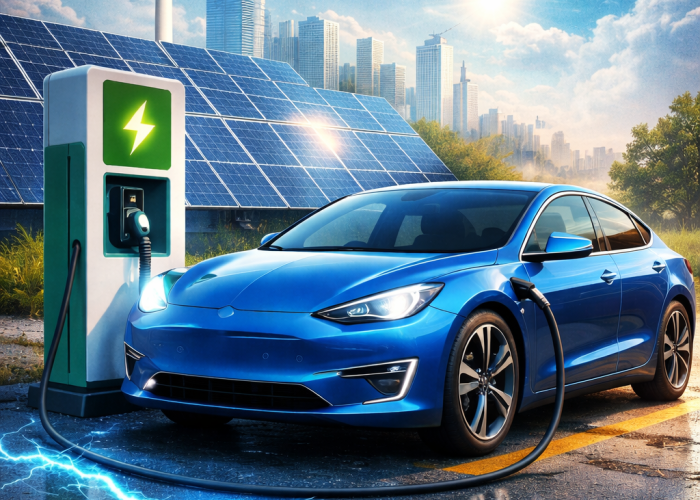
EVs rely on electricity, but the cleanliness of that electricity depends on the energy mix of the grid. In countries where coal or natural gas dominates, charging an EV can indirectly produce significant emissions. Conversely, in regions with abundant renewable energy, EVs are genuinely cleaner.
For example, charging an EV in Norway, where hydropower is prevalent, results in minimal emissions. Charging the same EV in a coal-heavy state in the U.S. may negate much of the environmental benefit.
Lifecycle Emissions: EVs vs. Gasoline Cars
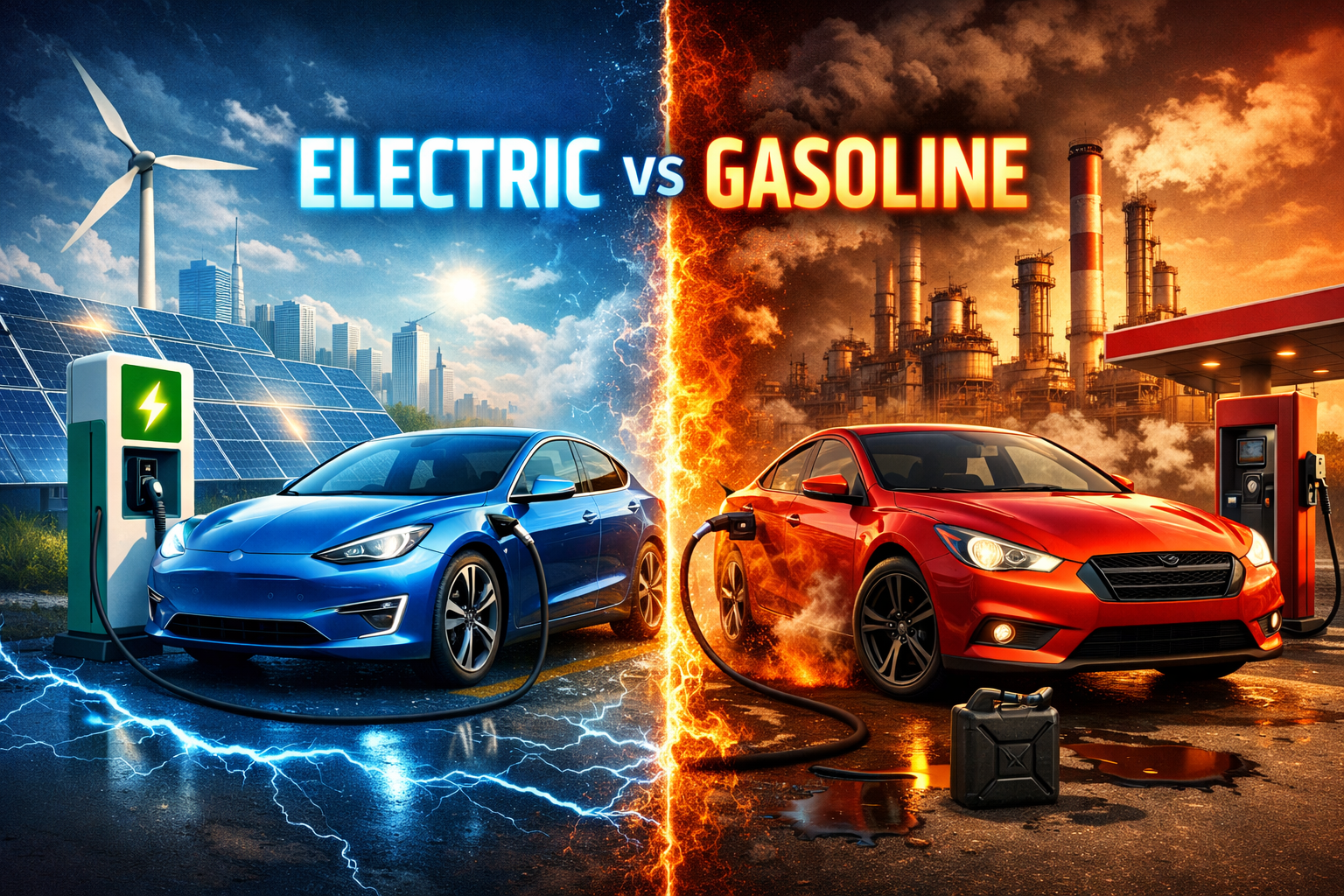
To fairly evaluate EVs, we must consider their entire lifecycle: production, use, and disposal. While EVs start with a higher carbon footprint due to battery manufacturing, they generally “pay back” this debt after several years of driving, especially if powered by clean electricity.
Gasoline cars, on the other hand, continuously emit CO2 throughout their lifespan. Over time, EVs tend to outperform ICE vehicles in terms of total emissions, but the margin varies depending on driving habits, grid cleanliness, and recycling practices.
Battery Recycling and End-of-Life Challenges
Another critical issue is what happens when EV batteries reach the end of their life. Recycling lithium-ion batteries is complex, expensive, and not yet widely implemented. Without proper recycling infrastructure, EVs could create a new wave of electronic waste.
However, advances in battery recycling technology and second-life applications (such as using old EV batteries for energy storage) offer promising solutions.
Policy and Market Implications
Governments worldwide are pushing EV adoption through subsidies, tax incentives, and bans on future sales of gasoline cars. While these policies accelerate the transition, they also raise questions about fairness, affordability, and whether resources should be invested in alternative solutions like hydrogen fuel cells or public transportation.
Do EVs Truly Solve the Emissions Problem?
The answer is nuanced. EVs are not a silver bullet, but they represent a step in the right direction. They reduce local air pollution and, when paired with renewable energy, can significantly cut global emissions. However, they also shift emissions to mining, manufacturing, and electricity generation.
Ultimately, EVs should be seen as part of a broader strategy that includes renewable energy expansion, improved recycling, and reduced car dependency through public transit and urban planning.
Conclusion
Electric vehicles are neither perfect nor pointless. They are a transitional technology that can help us move toward a cleaner future, provided we address the hidden emissions in their supply chain. The real solution lies in a holistic approach: cleaner grids, better recycling, smarter urban design, and diversified transportation options.