Introduction: More Than Just Machines
Motorcycles are far more than mechanical tools for transportation. They are cultural symbols, lifestyle choices, and identity markers. Across continents, motorcycles have shaped communities, inspired art, and defined generations. From the roaring Harleys of America to the nimble scooters of Asia, bikes embody freedom, rebellion, practicality, and belonging. This blog explores how motorcycles influence identity across different cultures, weaving together history, sociology, and personal narratives.
America: The Harley-Davidson Mythos
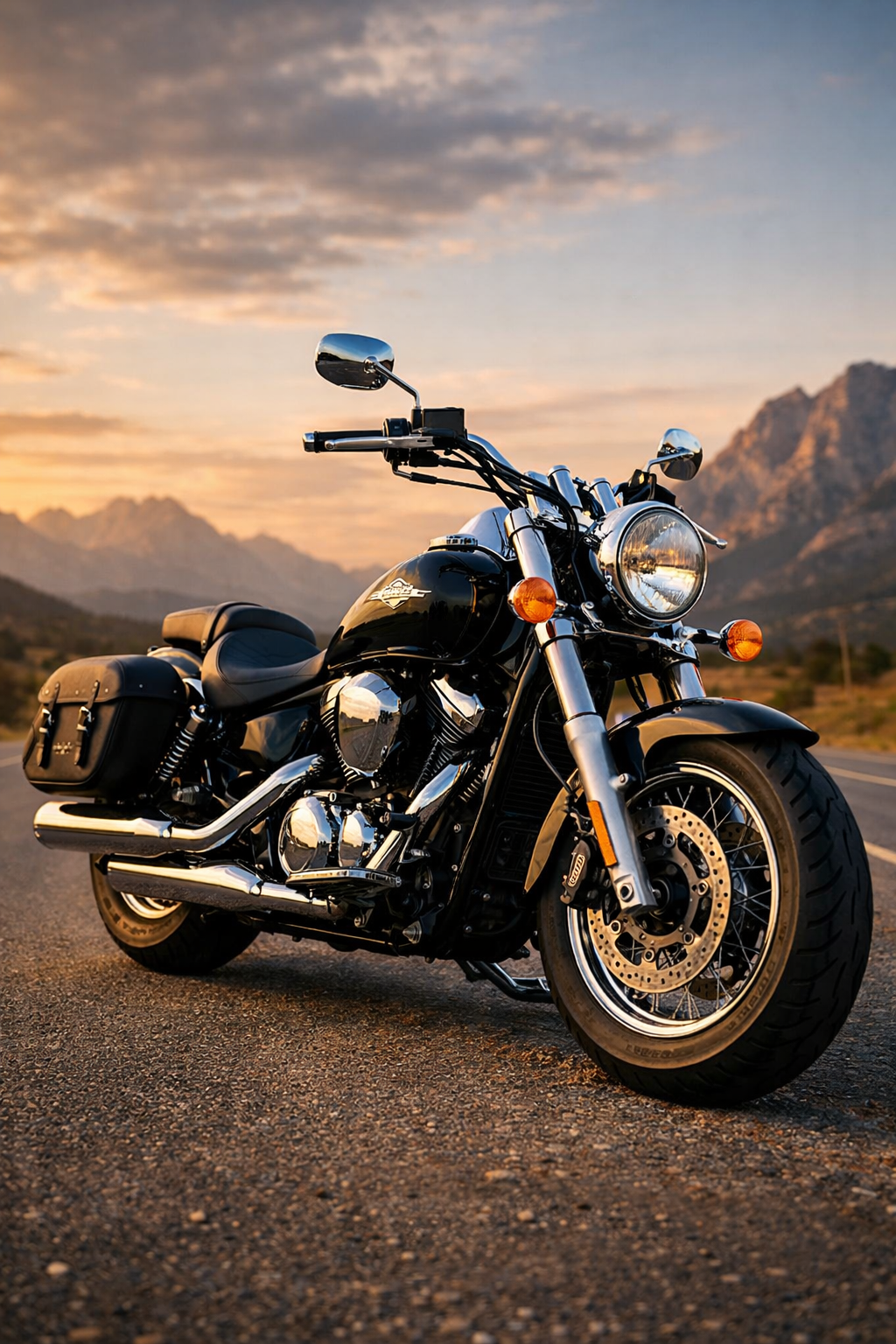
In the United States, Harley-Davidson is more than a brand—it’s a cultural phenomenon. Emerging in the early 20th century, Harleys became synonymous with rugged individualism and the open road. Post-World War II, returning veterans embraced motorcycles as symbols of freedom and rebellion. Outlaw biker clubs like the Hells Angels amplified this image, embedding motorcycles into the counterculture of the 1960s and 70s.
Today, Harley riders often see themselves as part of a brotherhood. The leather jackets, tattoos, and chrome-heavy machines are not just aesthetic choices—they are identity markers. Riding a Harley is about belonging to a tradition that values freedom, toughness, and camaraderie.
Europe: Café Racers and Style
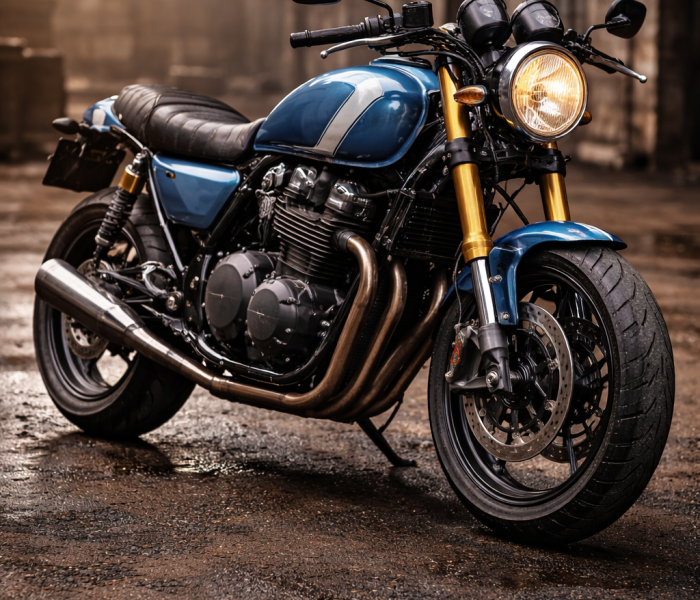
In post-war Britain, young riders stripped down their motorcycles to create “café racers”—sleek, fast machines designed to race between cafés. These bikes reflected a youth culture obsessed with speed, style, and rebellion. The café racer movement was as much about fashion as it was about engineering. Leather jackets, slicked-back hair, and rock ’n’ roll defined the aesthetic.
Across Europe, motorcycles also became symbols of practicality and sophistication. Italian brands like Ducati and Moto Guzzi emphasized design and performance, blending artistry with engineering. In France, scooters like the Vespa became icons of chic urban mobility, immortalized in films and fashion photography.
Asia: Practicality Meets Passion
In Asia, motorcycles are often the backbone of daily life. In countries like Vietnam, India, and Indonesia, scooters and small-capacity bikes dominate the streets. They represent affordability, efficiency, and accessibility. Families ride together, goods are transported, and entire economies rely on two-wheeled mobility.
Yet, motorcycles in Asia also carry cultural weight. In Japan, the Bosozoku biker gangs turned motorcycles into symbols of rebellion, customizing bikes with loud exhausts and flamboyant designs. Meanwhile, anime and manga—most famously Akira—cemented motorcycles as futuristic icons of youth and defiance.
Latin America: Community and Resistance
In Latin America, motorcycles often symbolize resilience and community. In rural areas, they provide essential mobility where infrastructure is limited. In urban centers, they represent independence and affordability. Motorcycle taxis, known as “moto-taxis,” are integral to daily life in countries like Peru and Colombia.
Motorcycles also intersect with political and social movements. In Cuba, for example, vintage motorcycles are preserved as cultural artifacts, reflecting both necessity and pride. Riders often see their bikes as extensions of identity, blending resourcefulness with cultural heritage.
Africa: Utility and Emerging Subcultures
Across Africa, motorcycles are vital for transportation, especially in regions with limited infrastructure. Known as “boda-bodas” in East Africa, they serve as taxis, delivery vehicles, and lifelines for rural communities. Their cultural significance lies in their utility, but subcultures are emerging.
In South Africa, motorcycle clubs blend Western biker aesthetics with local traditions. Riders use bikes to express individuality and community pride, often incorporating African art and symbolism into their gear and machines.
Motorcycles in Media and Art
Motorcycles have long been romanticized in film, music, and literature. From Easy Rider in America to The Wild One in Europe, bikes symbolize rebellion and freedom. In Japan, anime like Akira turned motorcycles into futuristic icons. Musicians from Bruce Springsteen to Judas Priest have used motorcycle imagery to amplify themes of power and independence.
Art and photography often depict motorcycles as metaphors for speed, danger, and liberation. They are not just machines but canvases for cultural storytelling.
The Psychology of Riding
Beyond culture, motorcycles shape personal identity through psychology. Riders often describe the experience as meditative, freeing, and empowering. The act of balancing, controlling speed, and navigating risk creates a unique bond between rider and machine. This psychological connection reinforces cultural narratives of freedom, rebellion, and individuality.
Globalization and the Future of Motorcycle Culture
As globalization accelerates, motorcycle cultures blend and evolve. Electric motorcycles are reshaping perceptions, appealing to eco-conscious riders while challenging traditional notions of noise and power. Social media connects riders across continents, creating global communities that share styles, stories, and innovations.
The future of motorcycle culture will likely be a hybrid of tradition and innovation—where Harleys coexist with electric scooters, and café racer aesthetics merge with futuristic designs.
Conclusion: Two Wheels, Infinite Meanings
Motorcycles are more than machines—they are cultural artifacts, psychological experiences, and identity markers. Across the world, they symbolize freedom, rebellion, practicality, and community. Whether roaring down American highways, weaving through Asian cities, or serving rural African villages, motorcycles continue to shape who we are and how we live.
In the end, the motorcycle is not just about the ride—it’s about the story it tells, the culture it reflects, and the identity it shapes.