Table of Contents
1. Vehicle History Report
Check for accidents, title issues, and service records.
2. Mileage Verification
Ensure mileage matches the car’s age and condition.
1. Vehicle History Report
Why it matters
A vehicle history report (from services like Carfax or AutoCheck) reveals accidents, title issues, flood damage, and service records. This helps you avoid cars with hidden problems or legal complications.
2. Mileage Verification
What to look for
Compare the mileage with the car’s age. A car with unusually low mileage may have been sitting unused, while high mileage could mean heavy wear. Always confirm the odometer reading matches service records.
3. Exterior Condition (Body & Paint)
Inspection tips
Walk around the car and look for dents, scratches, rust, or mismatched paint. These can indicate past accidents or poor repairs. Rust is especially concerning, as it spreads and weakens the structure.
4. Interior Condition
Key areas
Check seats, dashboard, carpets, and electronics. Excessive wear may suggest neglect. Test all interior features like air conditioning, infotainment, and power windows to ensure they work properly.
5. Tires & Wheels
Signs of wear
Inspect tire tread depth and look for uneven wear, which may indicate alignment or suspension issues. Wheels should be free of cracks, bends, or corrosion.
6. Engine Health
Checklist
Pop the hood and check for leaks, corrosion, or worn belts. Listen for knocking or ticking noises when the engine runs. A healthy engine should start smoothly and idle quietly.
7. Transmission Performance
Test drive focus
During a test drive, ensure the transmission shifts smoothly. Hesitation, slipping, or grinding noises can signal expensive repairs ahead.
8. Suspension & Steering
Feel the ride
Drive over bumps and listen for clunks or squeaks. The car should handle smoothly without excessive bouncing. Steering should feel responsive and not pull to one side.
9. Brakes
Safety check
Test the brakes for responsiveness. The car should stop smoothly without vibrations or pulling. Squeaking or grinding noises may mean worn brake pads or rotors.
10. Fluid Levels & Leaks
Under the hood
Check oil, coolant, brake fluid, and transmission fluid. Low levels or dirty fluids can indicate poor maintenance. Look under the car for leaks, which may point to bigger issues.
11. Safety Features
Critical items
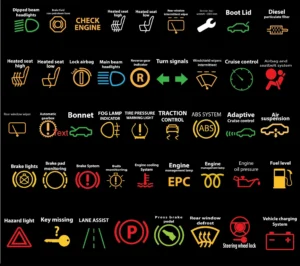
Ensure airbags, seatbelts, and other safety systems are intact. Test seatbelt locks and check dashboard warning lights. Safety features are non-negotiable when buying a car.
12. Test Drive & Overall Feel
Final impression
A test drive is the ultimate check. Pay attention to comfort, noise levels, and handling. If something feels off, trust your instincts — it may not be the right car for you.